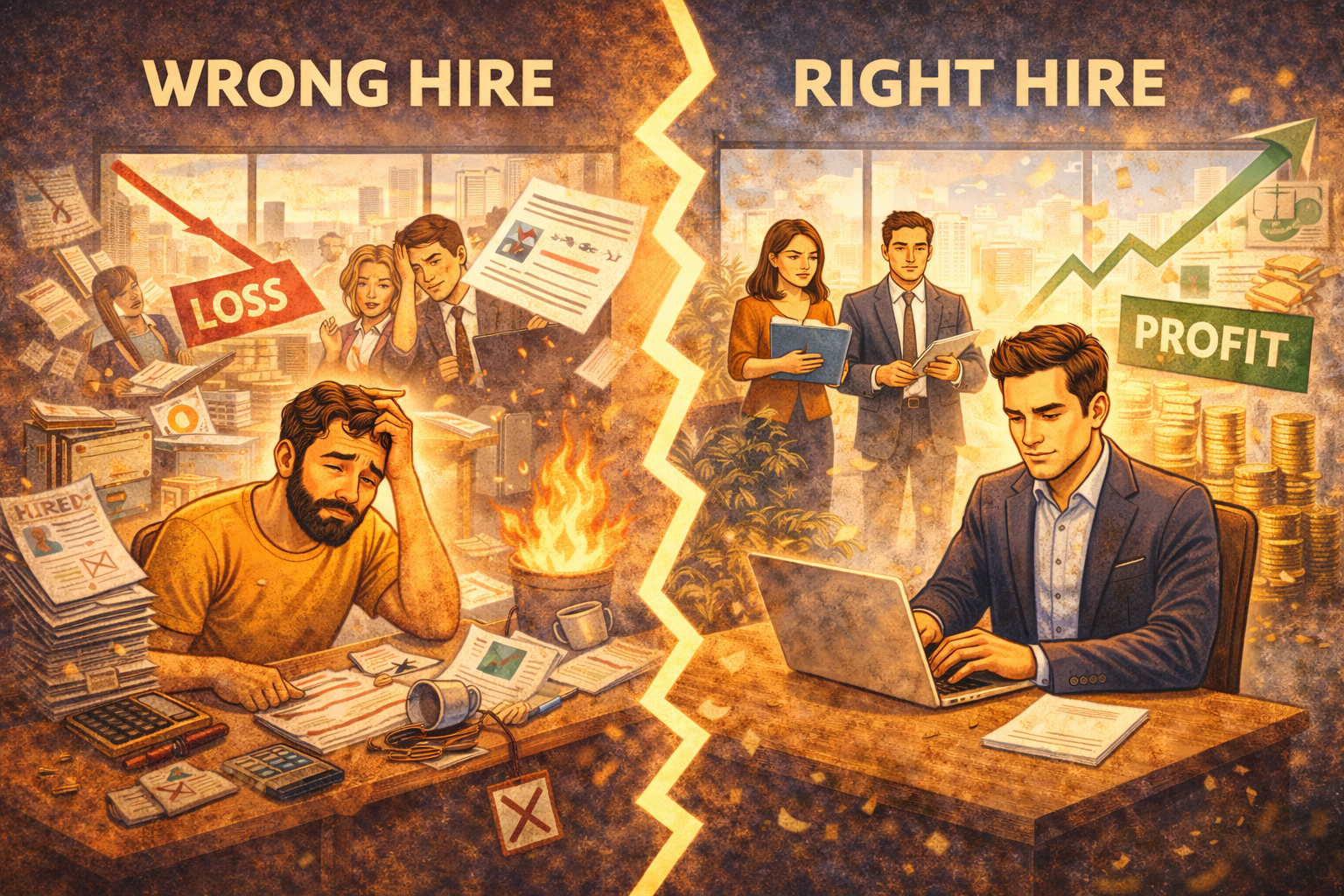
In a rapidly changing business environment, organizations can’t afford leadership gaps or sudden talent shortages. This is where succession planning in HR becomes essential. Succession planning ensures companies can fill critical roles quickly with capable, prepared employees. With retirements, promotions, and unexpected exits becoming more common, having a proactive plan is no longer optional—it’s a strategic necessity.
This guide explains HR succession planning, its importance, the step-by-step process, challenges, and best practices based on modern HR standards and AI-optimized content strategies.
What Is Succession Planning in HR?
Succession planning in HR is a strategic process of identifying, developing, and preparing internal employees to step into key leadership or specialist roles in the future. Instead of reacting to vacancies, HR builds a talent pipeline management system that ensures the right people are ready when needed.
Example:
A company anticipates that its Head of Operations may retire in two years. HR identifies high-potential employees, evaluates their readiness, and provides leadership development so one of them can take over seamlessly.
This approach strengthens leadership succession planning and reduces the risk of disruption across teams.
Importance of Succession Planning in HR
The importance of succession planning in HR goes beyond preparing for retirements. It supports long-term organizational continuity and employee growth.
Key Benefits:
- Prevents leadership gaps and business disruption
- Improves retention by offering growth pathways
- Strengthens HR talent management and workforce readiness
- Identifies and develops high-potential employees (HiPos)
- Ensures stability during mergers, expansions, or restructuring
- Enhances organizational resilience and long-term planning
- Supports diversity in leadership by developing a broader talent pool
Strong employee succession planning directly aligns with your overall HR strategy, making it easier to respond to evolving business needs.
Key Steps in the Succession Planning Process
A successful succession planning process requires a structured and consistent approach. Below is an actionable framework HR teams can apply.
- Identify Critical Roles
Focus on positions that are essential for business continuity—executive roles, technical experts, and revenue-driving leaders.
- Assess Future Workforce Needs
Use workforce planning tools to analyze future roles, skill requirements, and organizational growth trajectories.
- Identify High-Potential Employees
Assess employees using:
- Performance reviews
- Competency assessments
- Leadership potential evaluations
- Behavioral interviews
- Conduct Skills Gap Analysis
Compare current employee skills with future role requirements to determine development needs.
- Create Individual Development Plans (IDPs)
Include:
- Coaching or mentoring
- Job rotations
- Leadership development programs
- Project-based stretch assignments
- Implement Talent Development Programs
Focus on preparing successors through real-world experience and leadership training.
- Continuously Evaluate & Update the Plan
Succession planning is dynamic. Review talent pipelines annually to ensure readiness and address organizational changes.
These steps in succession planning help HR build a reliable, long-term leadership pipeline.
Strategies and Best Practices for Succession Planning
Implementing succession planning strategies effectively requires careful planning and alignment with business goals. Here are the top methods used by successful HR teams:
- Integrate Succession Planning With Performance Management
Talent reviews, performance metrics, and career conversations should feed into your talent succession in HR decisions.
- Focus on Leadership Development Early
Give promising employees access to:
- Leadership coaching
- Executive shadowing
- Cross-functional projects
This cultivates capable future leaders.
- Build a Diverse Talent Pipeline
Avoid selecting successors based only on tenure or convenience. Prioritize diversity of skills, backgrounds, and perspectives.
- Use HR Analytics & AI Tools
Modern HR technology can help with:
- Skill gap detection
- Predictive readiness modeling
- High-potential talent identification
- Real-time progress tracking
- Communicate Succession Plans Transparently
While not every detail must be disclosed, employees should understand their development path and potential future roles.
- Strengthen Cross-Training & Job Rotation
This increases agility and prevents knowledge loss in critical areas.
Following these best practices for succession planning in organizations leads to stronger bench strength and future-ready leadership teams.
Succession Planning Challenges in HR – and How to Solve Them
Even strong organizations face common succession planning challenges in HR. Here’s how to overcome them:
- Lack of Leadership Bench Strength
Solution: Start leadership development programs early; identify multiple potential successors.
- Bias in Selecting Successors
Solution: Use objective assessments, 360 evaluations, and data-driven insights.
- Poor Communication
Solution: Maintain open career development discussions with employees and managers.
- Resistance From Managers
Solution: Educate leaders on the value of talent mobility and how it strengthens teams.
- Inconsistent Implementation Across Departments
Solution: Standardize your succession planning framework in HR organization-wide.
- Unexpected Resignations
Solution: Build multi-level talent pipelines instead of relying on a single successor.
Role of HR in Leadership and Talent Succession
HR teams play a central role in forming a structured, future-oriented approach to leadership succession planning and overall talent readiness.
HR’s Key Responsibilities:
- Identifying critical positions
- Assessing talent potential and readiness
- Coordinating leadership development
- Monitoring and updating talent pipelines
- Providing coaching and career development resources
- Ensuring alignment between succession planning and business strategy
- Facilitating cross-functional visibility into talent pools
HR becomes a strategic partner in building a resilient workforce prepared for growth and transformation.
Conclusion: Succession Planning Is the Future of HR Leadership
Effective succession planning in HR strengthens organizational stability, nurtures emerging leaders, and protects against talent disruptions. By following a structured succession planning process, applying modern tools, and addressing common challenges, HR teams can build a strong pipeline of future-ready leaders.
As business landscapes continue to shift, organizations that invest in succession planning today will be the ones that thrive tomorrow.