

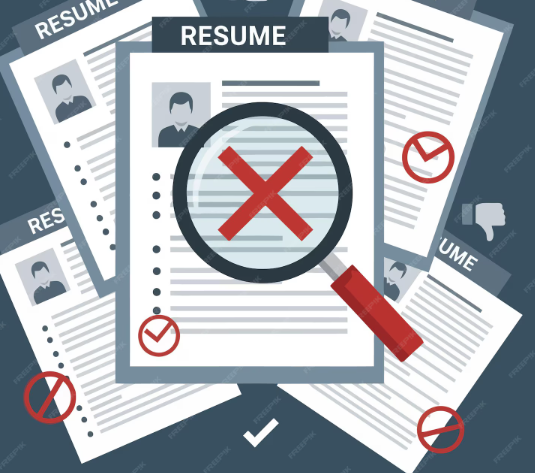
A candidate walks into your office with a flawless resume—top skills, impressive experience, and perfect formatting. Everything looks right on paper. But within weeks of joining, performance drops, expectations are not met, and your team starts feeling the pressure.
Sound familiar?
This is what many companies experience today. The truth is, resumes don’t always reflect real capability. In fact, a large percentage of candidates appear perfect on paper but fail in real job scenarios.
This blog uncovers the “resume lie”, explains why it happens, and shows how businesses can avoid costly hiring mistakes.
Search Intent Analysis (Primary Keyword: “Resume Lie”)
- Intent Type: Informational + Commercial
- User Goal:
- Understand why resumes can be misleading
- Learn how to identify real talent
- Explore better hiring methods
This blog targets decision-makers looking to improve hiring accuracy.
What is the ‘Resume Lie’?
The “resume lie” doesn’t always mean fake information. It refers to the gap between what a resume shows and what a candidate can actually deliver.
Common Resume Gaps:
- Skills mentioned but not mastered
- Experience exaggerated or unclear
- Achievements without real contribution
- Certifications without practical knowledge
A resume tells a story—but not always the full truth.

Why Do 70% of Candidates Look Perfect on Paper?
1. Resume Optimization Culture
Today, candidates are trained to:
- Use keywords
- Match job descriptions
- Highlight strengths only
This makes resumes look ideal—even when reality differs.
2. Overuse of Templates and AI Tools
Modern tools help candidates:
- Create professional resumes instantly
- Add industry keywords
- Improve presentation
But presentation ≠ performance.
3. Lack of Practical Evaluation in Hiring
Many companies:
- Rely heavily on resumes
- Conduct basic interviews
- Skip skill assessments
This leads to hiring based on assumptions.
4. Pressure to Impress Recruiters
Candidates often:
- Overstate skills
- Generalize responsibilities
- Highlight team achievements as personal
The Real Cost of Believing the Resume
1. Poor Job Performance
The employee struggles to meet expectations.
2. Increased Training Burden
Managers spend extra time correcting and guiding.
3. Team Productivity Drops
Other employees compensate for underperformance.
4. Higher Attrition Rates
Mismatch leads to early exits.
5. Financial Loss
Re-hiring, onboarding, and lost productivity increase costs.
Signs You’re Hiring Based on Resume, Not Reality
- You shortlist candidates only on keywords
- Interviews feel surface-level
- No real skill testing is done
- Hiring decisions are made quickly
- Employees struggle after joining
These are clear warning signs.
How to Identify Real Talent Beyond the Resume
1. Conduct Skill-Based Assessments
Test practical knowledge through:
- Case studies
- Live tasks
- Technical tests
2. Use Behavioral Interview Techniques
Ask:
- Real-life problem-solving questions
- Situation-based scenarios
3. Verify Experience Deeply
- Ask detailed role-specific questions
- Validate contributions, not just titles
4. Evaluate Cultural Fit
A candidate may be skilled but not aligned with your work culture.
5. Partner with Recruitment Experts
Working with professionals like Shriniwas Placement Consultants ensures:
- Pre-screened candidates
- Skill-verified profiles
- Better hiring accuracy
FAQs
Q1: Why do candidates fail after getting hired?
Because resumes often highlight strengths but don’t reflect real skills or performance ability.
Q2: Are resumes reliable for hiring decisions?
Resumes are useful for shortlisting, but they should not be the only basis for hiring.
Q3: How can companies avoid hiring the wrong candidates?
By using skill assessments, structured interviews, and professional recruitment support.
Q4: What is the biggest mistake in hiring?
Relying only on resumes without verifying skills and experience.
Q5: How do recruitment agencies improve hiring accuracy?
They screen, test, and evaluate candidates before presenting them to companies.
Conclusion
The resume may open the door—but it doesn’t guarantee performance.
Relying only on resumes can lead to costly hiring mistakes that affect your business growth, productivity, and team morale.
The smarter approach? Hire based on real skills, not just impressive resumes.
Want to hire candidates who actually perform, not just look good on paper?
Partner with Shriniwas Placement Consultants and build a team that delivers real results.

